- Home
- Service
Our Service
Intimate service and high-quality attitude
Energy Consulting: Optimize Energy Use and Increase Profits
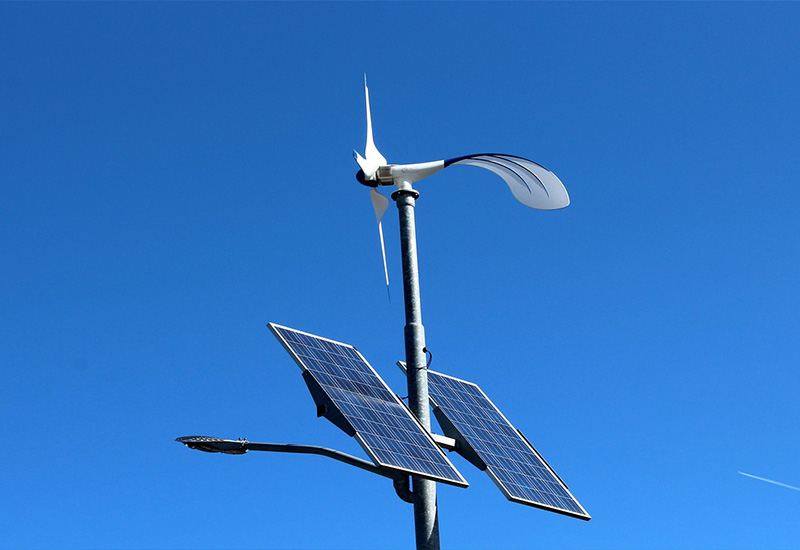
Based on actual operational data from solar energy storage systems and incorporating the company’s production and operational characteristics, customized energy management analysis reports are provided. These reports analyze the company’s peak electricity consumption (e.g., during daytime production hours) and off-peak electricity consumption (e.g., during nighttime shutdown periods), as well as seasonal and weather fluctuations in photovoltaic power generation. The reports then calculate the optimal strategy for “peak-shifting” electricity consumption and energy storage discharge. For example, the report recommends prioritizing energy storage battery discharge during peak hours to reduce consumption of high-priced grid electricity, while also using low-priced grid electricity to charge the energy storage battery during off-peak hours to reduce storage costs.
MORE DETAILS
Subsidy application assistance, cost reduction and efficiency improvement
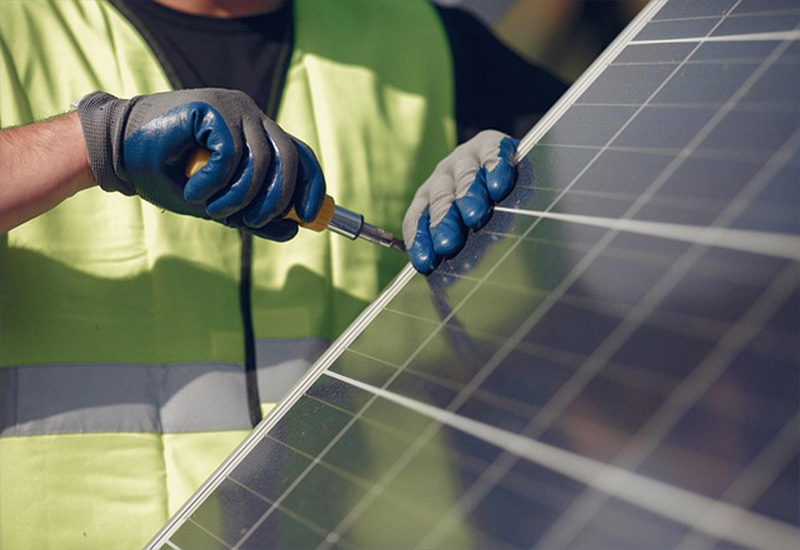
Assign dedicated personnel to monitor and track policies related to solar energy savings released by the National Development and Reform Commission, the National Energy Administration, and local (provincial, municipal, and district) Development and Reform Commissions and Departments of Industry and Information Technology. These policies include one-time construction subsidies, electricity subsidies, VAT refunds, the “three exemptions and three halvings” corporate income tax program, and green electricity trading premiums. Establish a dynamic policy database. Filter out eligible policy benefits based on the company’s location (e.g., whether it is a new energy demonstration city or industrial park) and industry attributes (e.g., whether it is a high-energy-consuming enterprise or a high-tech enterprise). This database will be compiled into a dedicated subsidy application list, clearly defining application requirements, required materials, and application deadlines.
MORE DETAILS
The “Perception Nerve Center” of Operations and Maintenance
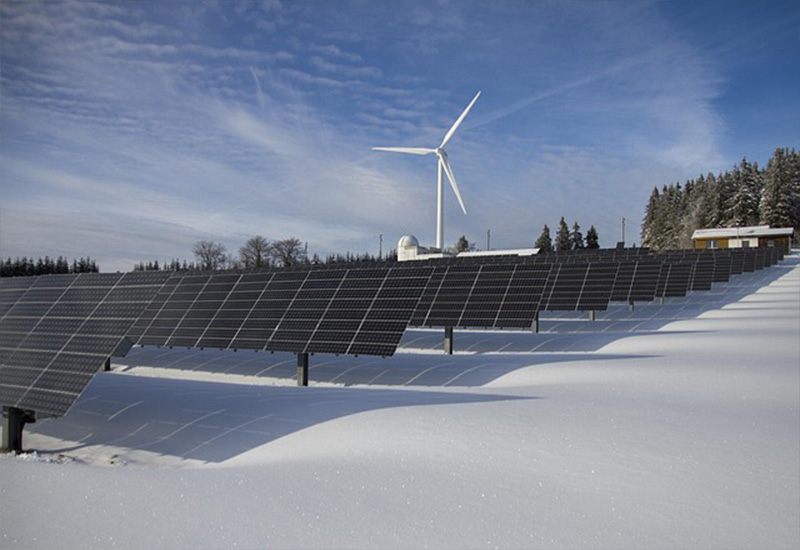
Each solar energy storage system is equipped with a self-developed intelligent monitoring and management platform. The platform supports mobile app (iOS/Android) and computer website login. Enterprise managers can view real time power generation, cumulative power generation, current storage capacity, equipment operating status, power consumption details, and other data at any time. The system also automatically generates daily/weekly/monthly power consumption and power generation analysis reports to intuitively display energy usage. The operation and maintenance team implements a dual-track service model of “regular inspections + proactive early warning”: operation and maintenance engineers are arranged to conduct on site inspections every quarter, focusing on the surface cleanliness of photovoltaic panels (promptly cleaning dust, bird droppings and other debris that affect power generation efficiency), the firmness of line connections, the charging and discharging performance of energy storage batteries, and the heat dissipation of inverters. At the same time, the system software is upgraded and optimized; through background big data analysis, the equipment operating parameters are monitored in real time. If an abnormality is found (such as a sudden drop in power generation or excessive equipment temperature), the system will automatically send an early warning message to the operation and maintenance team and the company’s person in charge. The operation and maintenance personnel will contact the company to understand the situation within 2 hours, arrive on site to investigate and resolve common faults within 24 hours, and provide a temporary power supply plan within 48 hours for major faults to ensure that the company’s energy supply is not seriously affected.
MORE DETAILS
Original equipment guarantee: quality protection throughout the process
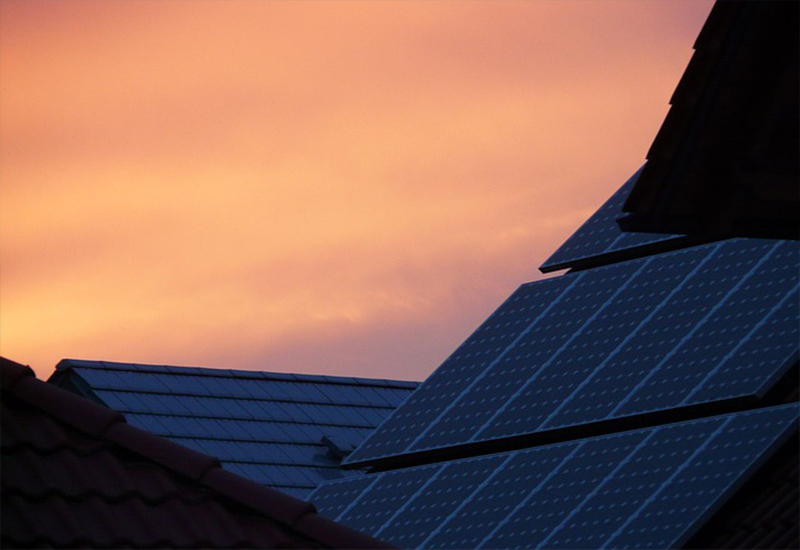
The core components of the solar energy storage system are sourced from renowned brands (e.g., PV modules from LONGi and JinkoSolar, energy storage batteries from CATL and BYD, and inverters from Huawei and Sungrow). Each device comes with a genuine QR code, allowing businesses to scan and verify the device’s production batch, quality inspection report, and other information to ensure there are no refurbished or counterfeit equipment. All equipment meets national Class I energy efficiency standards, with PV module conversion efficiency exceeding 23%, energy storage battery cycle life exceeding 6,000 cycles, and inverter conversion efficiency exceeding 98%. The system also offers a clear warranty: 25 years for PV modules (with power degradation of no more than 20%), 10 years for energy storage batteries (with capacity degradation of no more than 20%), and 5 years for inverters. During the warranty period, if any equipment quality issues are not caused by human error (e.g., module cracking, battery bulging, or inverter failure), the company will respond to after sales requests within 24 hours, providing a free replacement unit of the same model and covering all shipping and replacement costs. This ensures long term stable system operation from the very beginning.
MORE DETAILS
Full-process installation and construction: safe and efficient implementation
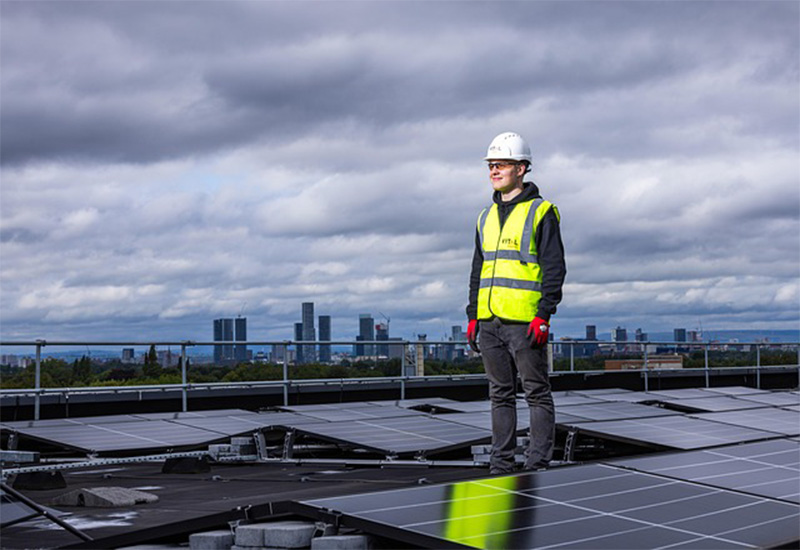
A professional construction team holding a “Photovoltaic Power Generation System Installation and Construction Qualification Certificate” has been assembled. All team members have undergone specialized training in height work and electrical safety and hold certifications. Before construction, the team confirmed the construction time with the enterprise (preferably during the enterprise’s off-season or non-core operating period), developed a detailed phased schedule (e.g., 3 days for foundation construction, 5 days for module installation, and 2 days for equipment commissioning). A construction progress notice was posted in the enterprise’s designated area to facilitate real-time monitoring of progress. During construction, the “Specifications for the Construction of Photovoltaic Power Stations” (GB 50794-2012) were strictly adhered to. Professional lifting equipment was used for module transportation and installation. Safety warning signs were posted throughout the process, and dedicated safety officers patrolled the site to prevent accidents. After equipment installation, a 72-hour continuous load commissioning test was conducted to simulate various power usage scenarios (such as peak demand and energy storage discharge on cloudy days) to test system stability. After successful commissioning, construction debris and waste were cleared and the site restored to its original state. This ensures that system installation for small and medium-sized enterprises is completed within 30 days, minimizing disruption to normal production and operations.
MORE DETAILS
Professional demand survey: customized and adaptive energy solutions
Senior energy engineers with over five years of industry experience will be dispatched on site to conduct a comprehensive survey of the company’s site conditions, including roof area and load bearing capacity, available parking space, and office building facade orientation. They will also collect precise electricity load data for the past 12 months (differentiating between peak production and office hours), combined with local meteorological data such as the past three years’ average sunshine duration and seasonal variations in sunlight angle. Using industry specific PVsyst photovoltaic system simulation software, they will calculate power generation and storage requirements, generating a customized plan that includes equipment model, installation location, expected power generation, and payback period. The plan also provides two to three alternative configurations, comparing the initial investment and long term returns of each configuration in detail. This helps companies make the optimal choice based on their budget and electricity needs, eliminating resource waste or power supply gaps caused by inappropriate solutions at the source.
MORE DETAILS